
Best CRM for Relationship-Led Businesses
If you are searching for the best CRM for relationship-led businesses, you are likely at a point where growth feels heavier than it should.
You may have more enquiries than before. More conversations. More follow-ups. More clients. Yet instead of feeling supported by that growth, you feel stretched by it.
Spreadsheets have become fragile. Your inbox is full of “just checking in” reminders. Client delivery depends heavily on you. You know that systems would help, but you do not want a cold, corporate setup that damages the personal experience you are known for.
This article will help you understand what the best CRM setup for relationship-led businesses really looks like. We will look at how CRM should function in a high-touch service model, what to avoid, and how to build calm, supportive infrastructure that reduces founder dependency without removing the human element.
What Makes a CRM the Best CRM for Relationship-Led Businesses?
The best CRM for relationship-led businesses is not the one with the most features. It is the one that protects your relationships while quietly holding operational weight in the background.
Relationship-led businesses operate differently from volume-based models. You are not chasing thousands of anonymous leads. You are nurturing trust, depth, and long-term connection. Your reputation is built on care and consistency.
For that reason, your CRM must:
Support meaningful conversations rather than replace them
Provide clarity on where each relationship sits
Reduce mental load instead of increasing admin
Enable structured follow-up without sounding automated
Protect delivery quality as you grow
A CRM in this context is not a sales tool. It is operational infrastructure. It holds your capture, nurture, and scale pathways so that growth feels steady rather than chaotic.
Why Most CRM Setups Fail High-Touch Founders
Many founders adopt CRM systems that were designed for high-volume, transactional sales teams. These platforms often prioritise aggressive pipelines, automated sequences, and reporting dashboards that assume a very different business model.
The result is friction.
Common problems include:
1. Overcomplicated Pipelines
You create multiple stages, tags, and workflows, but no one uses them consistently. The system becomes another thing to manage.
2. Automation That Feels Impersonal
Generic email sequences that undermine trust rather than deepen it.
3. Founder-Centric Processes
Everything routes through you. You remain the bottleneck for decision-making, delivery, and follow-up.
4. Fragmented Tools
Your booking system sits in one platform. Your email marketing in another. Your client onboarding in a third. Nothing talks to each other cleanly.
When this happens, CRM increases cognitive load instead of reducing it. The founder remains central to everything, and growth feels fragile.
The Three Core Functions Your CRM Must Support
For a relationship-led business, the best CRM setup should revolve around three structured pathways:
Capture
Nurture
Scale
These are not marketing buzzwords. They are operational stages that reduce founder dependency.
Capture: Structured Entry Without Manual Chasing
Capture is about how new interest enters your world.
A strong CRM setup should:
Collect enquiry details in a structured way
Trigger confirmation and expectation-setting emails
Automatically create contact records
Assign appropriate pipeline stages
Provide visibility on lead source
This ensures no enquiry is lost and no one waits for a response because you were busy delivering.
The founder does not need to remember who to follow up with. The system holds that responsibility.
Nurture: Consistency Without Founder Exhaustion
Nurture is where many relationship-led founders struggle. You want personal connection, but you do not have time to manually follow up with everyone.
The best CRM for relationship-led businesses enables:
Timed check-ins that feel thoughtful
Education-based email sequences
Structured discovery call booking
Pre-call preparation workflows
Post-call next step automation
Automation here is not about replacing warmth. It is about ensuring consistency. You still show up fully in live conversations. The CRM ensures the right people arrive in the right place at the right time.
Scale: Delivery That Does Not Depend Solely on You
Scale does not mean growth at all costs. It means growth that does not increase stress.
Your CRM should support:
Automated onboarding journeys
Clear client stage tracking
Triggered resource delivery
Review and testimonial collection
Renewal and continuation pathways
When delivery is systemised, you can delegate confidently. Team members can step in because the journey is documented and structured.
This is where founder dependency begins to reduce.
Choosing the Right CRM Platform
Several platforms are popular within service businesses. Each has strengths, but the real differentiator is not the tool. It is the architecture.
Here are examples of commonly used CRM platforms:
HubSpot

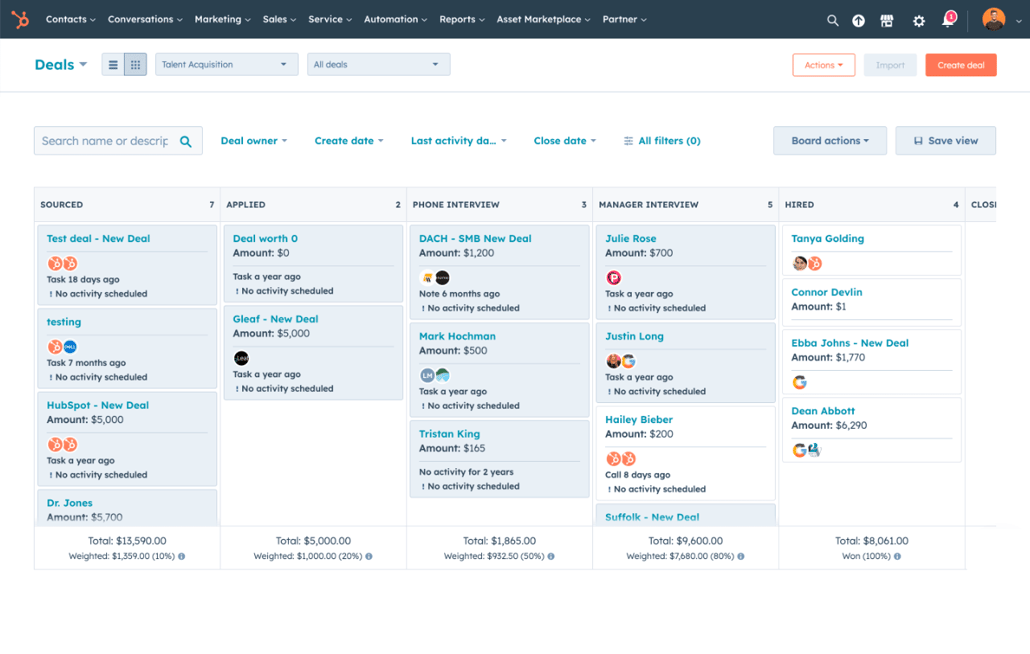

HubSpot offers strong marketing automation and reporting. It suits businesses that want integrated marketing and sales functionality. However, it can become complex quickly.
Salesforce


Salesforce is powerful and highly customisable. It is often used in larger organisations. For smaller relationship-led businesses, it can feel excessive unless carefully configured.
GoHighLevel
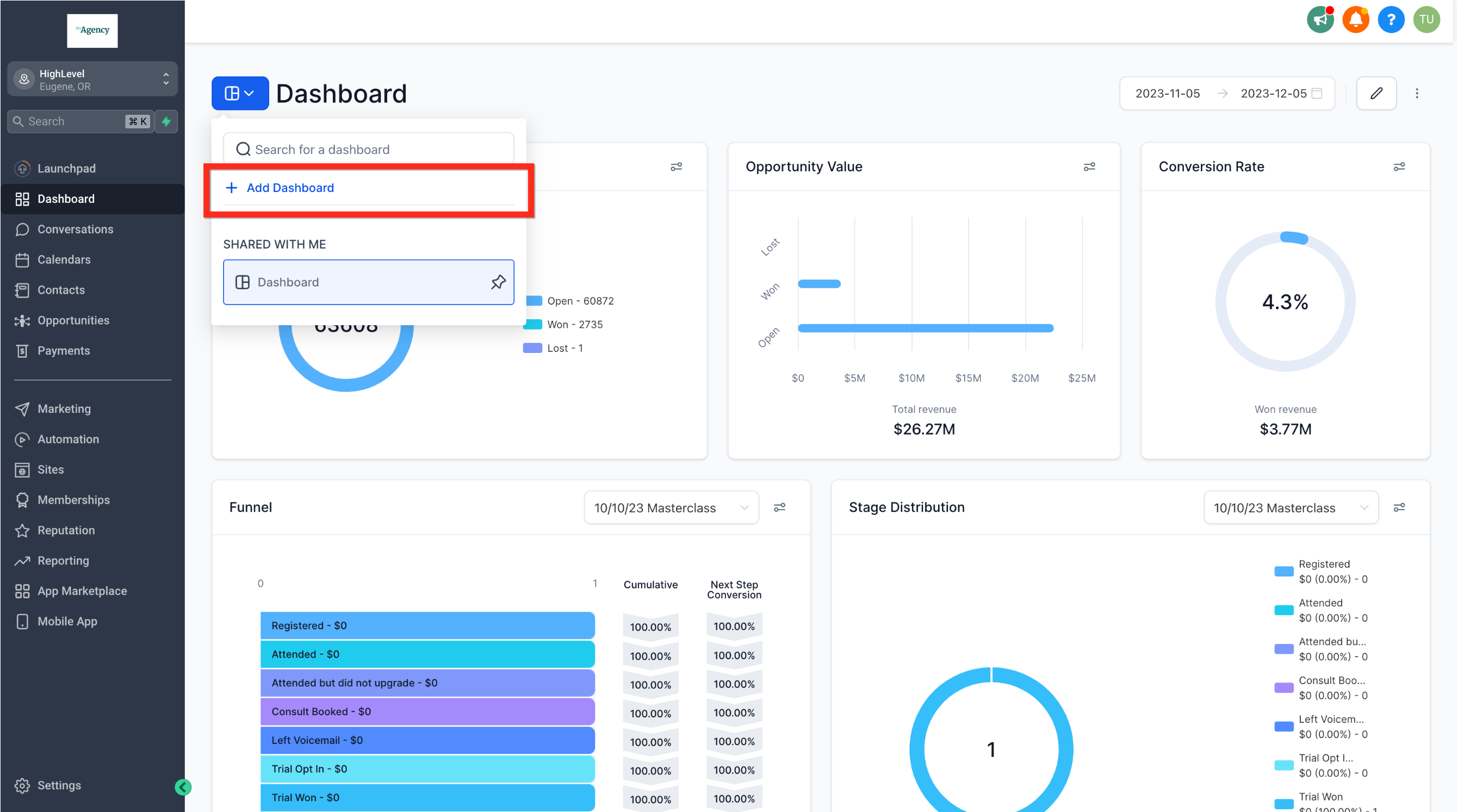


GoHighLevel is popular among service providers because it combines CRM, automation, email, and funnel capabilities. It can be streamlined effectively for high-touch models when thoughtfully structured.
The platform itself is secondary. The best CRM for relationship-led businesses is the one configured around calm, clear pathways.
The Architecture Matters More Than the Software
Many founders believe they need a new CRM when what they actually need is clarity.
Before selecting or rebuilding a system, ask:
What are the exact stages from first enquiry to paid client?
What happens between discovery call and onboarding?
What is manually repeated each week?
Where do clients get confused or drop off?
Which tasks only you can do, and which could be systemised?
Without these answers, no CRM will feel supportive.
This is precisely why I created Glow Framework.
Why I Created Glow Framework
As a digital strategist working with relationship-led founders, I repeatedly saw the same pattern. Talented business owners were growing, but their growth relied heavily on them.
They had strong offers and loyal clients. What they lacked was operational infrastructure. They had tools, but not a system.
Glow Framework was created as an operating system for relationship-led businesses.
It is not software.
It is not coaching.
It is not an agency.
Glow is structured operational infrastructure that sits inside your CRM and automates your capture, nurture, and scale pathways.
It protects calm growth. It reduces founder dependency. It ensures that relationships are supported, not strained, by growth.
What Glow Framework Actually Does
Glow Framework installs a structured operating system within your CRM.
At its core, it delivers:
Defined pipeline stages aligned to real customer journeys
Automated enquiry capture and routing
Nurture sequences that educate and prepare
Onboarding workflows that remove manual chasing
Structured follow-up systems
Visibility across client lifecycle stages
Everything is designed to reduce cognitive load.
You do not need to remember who to follow up with.
You do not need to manually send onboarding emails.
You do not need to rebuild journeys each time you sign a client.
Glow holds that structure for you.
How Glow Reduces Founder Dependency
Founder dependency happens when:
Only you know what happens next
Only you can send critical communications
Only you can move clients forward
Only you understand the delivery pathway
Glow replaces memory-based management with documented, automated journeys.
This means:
A team member can see exactly where each client sits
Follow-ups happen even if you are in delivery
Clients receive consistent communication
Growth does not require more founder hours
This is calm scale.
Practical Steps to Improve Your CRM Setup Today
Even before implementing Glow, you can take practical steps:
Step 1: Simplify Your Pipeline
Reduce your stages to the true milestones. Remove unnecessary complexity.
Step 2: Map One Complete Journey
Document the full path from enquiry to onboarding. Identify repeated tasks.
Step 3: Automate Confirmation and Reminders
Start with appointment confirmations and pre-call reminders. This immediately reduces manual chasing.
Step 4: Create a Structured Onboarding Email Sequence
Instead of sending individual emails, build a short onboarding series that sets expectations and delivers key information.
Step 5: Review Monthly
A CRM should evolve with your business. Schedule a monthly review to refine stages and workflows.
Small structural improvements often create significant relief.
When You Need More Than DIY
If your growth is already straining capacity, DIY adjustments may not be enough.
This is where Glow Framework supports at different speeds:
Glow Core provides structured infrastructure access
Glow Momentum accelerates setup and confidence
Glow Acceleration compresses time and reduces founder involvement quickly
Every pathway includes retained access to the same operating system. The difference is speed and support.
The goal is always the same: calm, protected growth.
The Best CRM for Relationship-Led Businesses Is the One That Protects You
The best CRM for relationship-led businesses is not defined by brand recognition or feature depth.
It is defined by:
Clarity
Simplicity
Structured journeys
Reduced founder dependency
Consistent client experience
When your CRM becomes supportive infrastructure rather than a stressful admin tool, your business changes.
Growth feels steadier.
Delivery feels clearer.
Your time feels protected.
That is the purpose of Glow Framework.
Ready to Build Calm, Scalable Infrastructure?
If you are currently researching the best CRM for relationship-led businesses because growth feels heavier than it should, this is a good moment to act.
A well-structured CRM setup does not remove the personal element of your business. It protects it.
If you would like support implementing a calm, structured operating system inside your CRM, I invite you to book a discovery call with me, Florence Blackadder.
We will look at where your growth strain is coming from, identify structural gaps, and explore whether Glow Framework is the right fit for your next stage.
Calm scale is possible. It simply requires the right infrastructure.
